
Curious whether “deepnude ai free” really means unlimited access, or is that just marketing hype?
People searching this phrase usually want a no-cost way to run image-altering tools. In practice, true unlimited access is rare. Many platforms offer trials, limited credits, or reduced quality for non-paying users.
The legacy name “DeepNude” now gets used as shorthand for modern tools that mimic the concept. We’ll clarify that difference and define terms like deep nude and NSFW content so readers know what to expect.
This guide previews how these platforms work, what “free” typically includes, step-by-step image and video workflows, and tips to aim for higher-quality results. It frames the topic with safety in mind and does not endorse non-consensual content.
Availability and pricing change often, so verify any platform’s limits, credits, and login needs before you try it. Many sites promise ease for users, including services tied to porn content, but “free” often means only a taste of full features.
Key Takeaways
- “Free” usually equals trial access, not unlimited use.
- The original name and modern tools are not identical; know the difference.
- Understand terms like deep nude and NSFW to follow the guide.
- Safety and consent are central; misuse is not supported.
- Check current pricing, credits, and login rules before testing any platform.
What “DeepNude AI” Means Today and How These Tools Work
Today, the name is used broadly to describe tools that can digitally remove or simulate clothing in photos.
Why the label matters: It acts as an umbrella term for modern deepnude tools and generators, rather than the single legacy project it once named. Platforms market themselves as easy-to-use generators that need little technical skill.
How the pipeline works
Models first infer a likely body shape under clothes from a base photo. Then the system synthesizes skin details and blends them back in an edited image. An edit stage refines edges and texture.
Common outputs and inputs
- Outputs: nude images, deepnude photos, and sometimes short NSFW videos from image-to-video tools.
- Inputs: a clear photo, optional clothes photos for reference, target body types, and text prompts to set style or realism.
| Stage | What it does | Typical issue |
|---|---|---|
| Inference | Predicts body under clothing | Errors on complex layers |
| Synthesis | Generates skin and texture | Artifacts around hands and hair |
| Blend & Edit | Integrates result into original image | Edge halos or color mismatch |
Understanding inputs and limits helps users avoid accidental sharing of sensitive content.
deepnude ai free: What “Free” Really Includes (Credits, Limits, and Login)
Many sites advertise “no-cost” nudity tools, but the label usually covers limited trials or credit bonuses.
Why credits replace unlimited access
Credits control cost and abuse. NSFW generation uses heavy compute, so platforms sell credits to balance load and revenue.
That model lets a platform offer a short demo while avoiding free unlimited runs. Seasonal promos like “Buy 150 Credits, Get 250 Free” or “300 Free Credits” are common marketing tactics.
Typical gates and account rules
Expect a login required step and an email sign-up before full downloads or repeated runs. Many apps allow users one preview but block high-resolution or downloadable content until account access is active.
How to spot real claims
- Check for mentions of credits, trial, bonus, or per-generation charges.
- Read pricing pages and privacy terms to see what data the platform stores.
- Watch for watermarks, slow queues, daily caps, or restricted styles on “free” tiers.
Tip: treat promo bonuses as marketing perks, not a promise of free unlimited service.
| Offer type | What it allows | Common limit |
|---|---|---|
| Trial / Preview | One or two low-res generations | Watermarks, no downloads |
| Credit bonus | Extra runs when you buy credits | Expires or limits per promo |
| Paid plan | Higher quality and speed | Monthly cost, account required |
Step-by-Step: How to Use a Free Undress AI Remover for Images
A short, step-by-step guide helps beginners use an undress generator without guessing the controls. The flow is consistent across most sites: upload, pick settings, generate, then refine.
Upload a base photo
Choose a clear photo that shows a face and a full torso. Most interfaces accept JPG, PNG, or WEBP files. A face requirement helps the model align features and produce more realistic results.
Pick target settings
Select gender, outfit type, dressing style, and a target body type. For dressing color pick from Black, Blue, Red, White, Yellow, or Green. These choices shape how the generator predicts skin and clothes removal.
Generate, preview, and download
Click the action button (often labeled “Undress Now”) to start. The preview shows a lower-resolution deepnude image and highlights areas that may need fixes. Downloads on trial tiers can be limited or watermarked.
Use built-in edit tools
Use cleanup, regenerate, and edge-refine tools to fix artifacts. Start with simple clothes, clean backgrounds, and mid-distance shots to reduce errors. Iterate with edits instead of repeatedly re-uploading.
Always confirm consent before uploading photos. Treat generated content as sensitive and avoid sharing identifiable images without permission.
| Step | What to do | Tip |
|---|---|---|
| Upload | Submit a face-forward JPG/PNG/WEBP | Use clear lighting and simple clothes |
| Settings | Pick gender, outfit, color, style, body type | Match closest real-world clothes for realism |
| Generate | Preview low-res then download | Expect watermarks or limits on trial tiers |
| Edit | Refine edges, cleanup, regenerate areas | Fix hands, hair, and tight seams for high quality |
How AI Undress Video Generators Work for NSFW Video and Image-to-Video
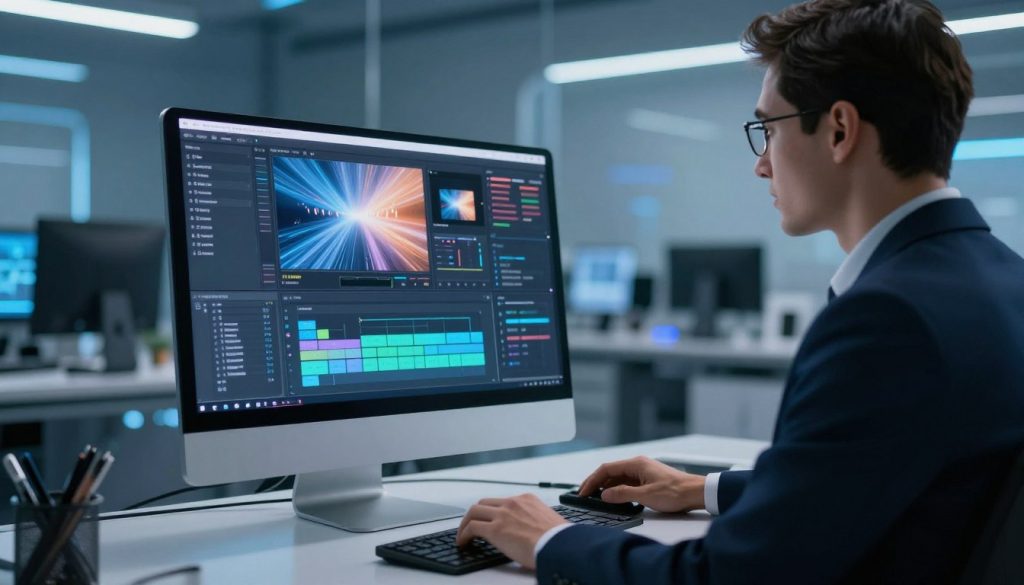
Some platforms let you animate a single photo into a short clip, while others edit every frame of an existing recording.
When to pick image-to-video vs. editing an existing clip
Image-to-video is best for short, stylized clips because it animates one picture into motion. It usually costs fewer credits and finishes faster.
Editing an existing video means nudifying each frame for temporal consistency. This produces more realistic results but is slower and more expensive.
How the technology works
The underlying process runs frame-by-frame inference, then applies motion smoothing to keep objects stable across frames.
Fast movement and occlusions often cause artifacts, so the model blends textures and enforces temporal consistency to reduce flicker.
What usually costs credits and what platforms may allow
Credits typically cover seconds of output, resolution, style presets, and the number of attempts. Higher bitrate and downloadable exports cost more.
Most platform offers give a short low-res preview or a single starter generation, but meaningful downloads consume credits.
Picking a style and exporting
Selecting a realistic style raises rendering time and credit cost. Expect queues and export caps on busy platforms.
For better outcomes, use steady clips, even lighting, simple backgrounds, and avoid crowded scenes that confuse the generator.
“Generated NSFW video is especially sensitive—store it securely and avoid sharing identifiable clips.”
| Path | Cost factors | Typical free option |
|---|---|---|
| Image-to-video | Seconds, style, attempts | Short low-res preview |
| Video nudify | Frames, resolution, motion smoothing | 1–3s preview with watermark |
| Export | Bitrate, no watermark, downloads | Limited seconds or watermarked file |
Getting High Quality Results: Practical Tips for Better Deepnude Images
Getting better results starts before you press generate: choose the right photo and plan your prompts. Good source images give the model clear information, so capture with even lighting and a neutral background.
Photo selection
Use a high-resolution photo with the subject facing the camera. Avoid heavy filters or motion blur.
Keep poses simple. Hands across the torso, layered clothes, or lace often confuse the model and lower output quality.
Prompting and settings
Match prompts to the photo. Be specific but consistent—contradictory instructions create artifacts.
Choose photoreal settings for true-to-life results. Pick an art or nsfw art style when you want to mask minor flaws.
Common issues and quick fixes
- Clothes boundaries: crop tightly or use edit tools to repaint edges.
- Hands and fingers: regenerate smaller regions or use a cleanup brush.
- Hairlines and necklines: try a second pass with softer blending settings.
Reference photos and when to use them
Only add clothes photos when a platform supports them. Mismatched references can worsen body consistency.
Safety checklist before saving or sharing
| Step | Why it matters | Action |
|---|---|---|
| Consent | Legal and ethical risk | Confirm permission in writing |
| Metadata | Privacy exposure | Strip EXIF data before sharing |
| Identifiability | Personal harm | Blur faces or avoid sharing |
“Treat generated nude images as sensitive content and practice responsible use at every step.”
Conclusion
If you’re weighing an undress app, treat initial promos as short demos, not permanent access. In practice, “deepnude ai free” most often means a limited trial with credits rather than free unlimited generations. Verify current platform offers before you sign up.
For practical use, follow a clear workflow: upload a good photo, choose settings, generate a preview, then download and refine with built-in edit tools. That sequence helps with both image and video generators.
Expect common access gates: login, a login required step or login sign flow, and an email before higher-quality exports. Compare credits cost, output quality, how a platform stores data, and any platform offers or bonuses.
Decide carefully: weigh benefit versus risks from porn or nsfw outputs. Start with better photos, use careful prompts, and accept artifacts near clothes and hands. Above all, avoid non-consensual content and protect personal information and generated files.